
Executive Headshots for C Suite Leaders: Balancing Authority Confidence and Approachability
A prospective board member opens your bio before the meeting. A journalist needs an image for an interview by noon. A prospective client compares your leadership team with another firm. In each moment, your portrait speaks before you do. Does it show the capable, present leader they are about to meet?
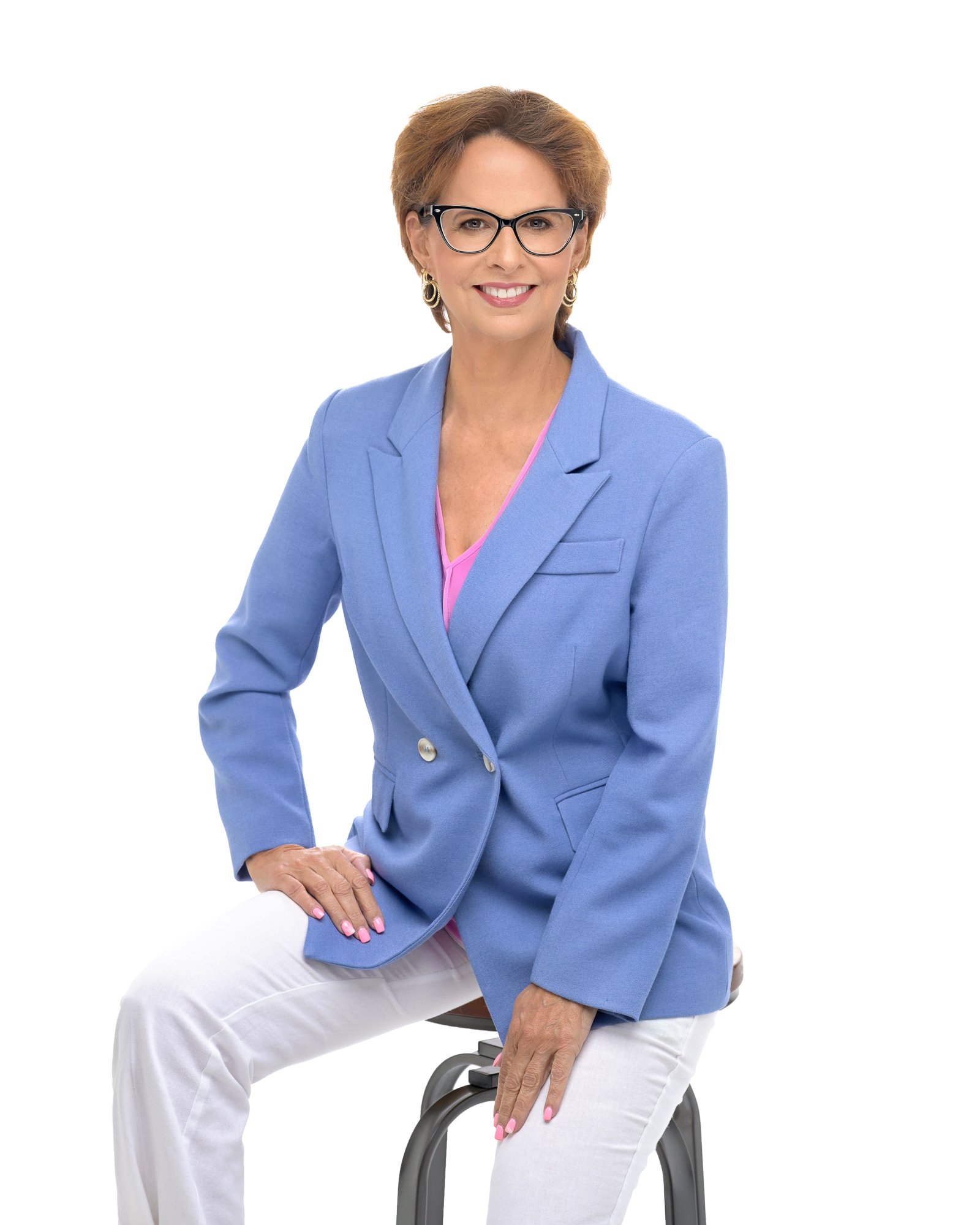
I’m Sylwia Ok, owner of Sylwia Ok Photography. When I plan executive headshots, I start with that question, not a backdrop color. A C-suite portrait needs to communicate authority without looking guarded, confidence without feeling staged, and approachability without losing professional weight. That balance comes from deliberate choices about use, wardrobe, light, expression, and editing. Here is how I help leaders plan an image that works across real business situations.

What makes an executive headshot effective?
An executive headshot is a professional portrait designed for leadership communications. It should be recognizable, appropriate to the leader’s role, consistent with the organization’s visual identity, and flexible enough for a company bio, board profile, speaking announcement, press request, or LinkedIn. The most effective image looks like a person you would trust in a consequential conversation, not a generic picture of “success.”
People sometimes assume that authority requires a stern face and a dark suit. Sometimes a formal portrait is right, especially for a board or investor audience. But a slight change in posture or expression can make the same leader appear more open while preserving the same level of credibility. I look for an expression that belongs to you on a good working day. The goal is accurate presence.
Start with the audience and the places the image will appear
Before choosing clothing or background, identify the three most important uses. A thumbnail on LinkedIn asks for a close crop and visible eyes. A website hero image may need room beside the subject for text. A conference program may require a vertical image, while a newsroom could ask for a horizontal version. One beautiful file cannot always serve all those purposes.
I ask executives or their communications teams to bring a short list: where will the image appear, who will see it, and what should that person understand about the leader? A healthcare executive meeting patients may want warmth and clarity. A managing partner addressing institutional clients may favor a more formal look. A founder recruiting talent may need both.
Authority, confidence, and approachability in the frame
Authority comes from clean styling, intentional composition, strong but natural posture, and lighting that gives the face shape without unnecessary drama.
Confidence comes from a comfortable expression, relaxed shoulders, direct engagement with the camera, and enough time to move beyond the first awkward frames.
Approachability comes from the eyes and mouth working together, an easy stance, and a setting that suits the person. A smile can help, but a forced grin does not.
These are visual signals, not fixed rules about personality. The right balance varies by industry and the reason someone is looking at the photo. I often create a small range during a session: one formal, direct portrait and one with a warmer expression. Then the executive has a choice for different contexts.
Choose a visual direction before the session
A quick planning conversation saves time on camera. Review your website, existing team portraits, brand colors, and recent uses of your image. Decide whether the new portrait should fit an established corporate style or introduce a more personal direction. If several executives will be photographed, agree on common lighting, background, crop, and retouching standards before the first person arrives.
Classic studio
Best for: Board bio, directory, formal press
Watch for: A backdrop or pose that feels too stiff
Modern environmental
Best for: Founder story, leadership website, recruiting
Watch for: Busy spaces that compete with the face
Editorial branding
Best for: Features, speaking, campaign assets
Watch for: Images too wide or casual for a small profile
A studio portrait gives precise control over light and consistency. An office portrait adds context, provided the location has visual purpose and enough room to work. If you need a wider set of images at your desk, with your team, or in action, consider a personal branding session alongside your headshots.
Related Reads:
What should a C-suite leader wear?
Dress for the role you occupy and the audience you want to reach. A well-fitted jacket often gives structure in a close crop, but it is not mandatory. Choose clothing that you would actually wear to an important meeting. If your team is more relaxed, a polished knit or open-collar shirt may be more truthful than a suit that never leaves the closet.
Bring two or three options if your session allows it: a formal look, an everyday leadership look, and perhaps a version without the jacket. Solid colors, restrained textures, and simple necklines usually keep attention on the face. Check that lapels lie flat and that the garment fits when seated as well as standing. Avoid tiny repeating patterns that can distract on screen, oversized logos unless they are deliberate brand assets, and anything you keep adjusting.
Glasses are part of your identity if you wear them every day. Bring your usual pair, clean the lenses, and let me adjust the lighting to manage reflections. If you change your hair or facial hair, schedule the session when you feel like yourself. A professional hair and makeup artist can be helpful for polish and consistency, but the result should still look recognizably you.
Read my practical guide to preparing for a successful headshot session
Decide whether to wear glasses for your portrait session
How I guide an executive session
Many leaders have plenty of experience speaking to a room and very little desire to pose for a camera. That is normal. I give specific, small adjustments rather than asking you to “look confident.” We work with your shoulders, chin, hands, and breathing. Then we refine the expression. The difference between guarded and engaged can be a subtle shift in how you settle into the pose.
Define the brief. Choose audiences, use cases, visual style, required crops, and any company guidelines.
Prepare two or three looks. Try each on before the session and confirm the fit in a seated and standing position.
Create a controlled base portrait. I establish flattering light and a dependable composition for the essential bio image.
Build useful variety. We change expression, crop, jacket, stance, or setting with a purpose for each variation.
Select and finish the images. We choose the portraits that match the brief, then retouch with a light hand and prepare files for their intended uses.
For a leadership team, repeatable choices matter. When one executive is added six months later, a documented lighting and background approach helps that person fit naturally into the group. Team consistency should leave room for individual personality. If that is your challenge, my articles on corporate team headshots and update timing explore it in more detail.
See how consistent corporate team headshots strengthen a brand
Learn when to update your company’s team headshots
Retouching and file delivery: keep the leader recognizable
Executive retouching should remove distractions, not erase a person’s character. Temporary blemishes, stray hairs, clothing lint, and minor background distractions can be addressed. Skin texture, defining features, and natural lines deserve restraint. An image that looks heavily filtered may raise the wrong question when someone meets you in person.
Ask for exports that match actual uses. A high-resolution master, a web-ready portrait, and crops suitable for square and vertical placements may be useful. Confirm any newsroom, conference, or company specifications before finalizing. Also ask who controls the final selection and where the files will live, especially if a communications department will distribute them.
Common executive headshot mistakes to avoid
Using a portrait from a decade ago. It should make you immediately recognizable at a meeting or event.
Choosing the most serious expression simply because it feels “executive.” Consider which expression invites the right conversation.
Treating one crop as universal. A tight LinkedIn profile and a wide website banner need different framing.
Ignoring the rest of the leadership page. Inconsistent light and background can make a cohesive team feel fragmented.
Retouching so aggressively that your photo looks unlike you. Ask for polish with realistic texture.
Scheduling without a brief. A few decisions about purpose and usage can prevent reshoots.
A new role, substantial change in appearance, rebrand, major press cycle, or leadership page refresh is a good reason to revisit your image. Even if nothing dramatic changes, review your portrait periodically and ask whether it still reflects how you lead today.
A portrait strategy for the whole business and the people behind it
Some clients first come to me for one executive image and later need a consistent set of corporate headshots or broader business photography. Others need personal branding photographs for speaking, articles, and campaigns. The right scope depends on the places the photographs must work, not the number of outfits alone.
I also photograph people beyond their professional roles. If you are exploring portraits for your family or another milestone, you can find my family portraits, fine art portraits, senior portraits, maternity portraits, and newborn photography through my website. Those experiences have different goals and planning, but the same attention to how someone wants to be seen.
Explore corporate headshot and business photography services
Explore family and fine art portrait experiences
Read about the Black Label fine art portrait experience
Frequently asked questions
Should a CEO smile in a headshot?
Often, yes, if the expression feels natural and matches the use. A slight, engaged smile can convey warmth without weakening authority. I usually create several expressions so you can select a formal and a more approachable option.
What is the best background for an executive headshot?
Choose a background that supports your organization’s visual style and keeps attention on your face. A neutral studio background is versatile. An office setting can add context if it is clean, relevant, and carefully lit.
Are executive headshots different from personal branding photos?
A headshot primarily identifies the leader in a close professional portrait. Branding photography creates a broader collection of images showing the leader’s work, setting, relationships, or message. Many executives benefit from both.
How many looks should I bring?
Two or three purposeful options are usually enough for a flexible session: formal, everyday leadership, and a variation with or without a jacket. The session you book determines how many can be photographed.
Should all executives have matching headshots?
They should usually share a recognizable visual system: similar lighting, crop, background, and finishing. Each person can still have an authentic expression and wardrobe within those guidelines.
Can you photograph leaders at our office?
Yes. Location sessions can support a leadership team or an environmental portrait. I would discuss space, schedule, visual consistency, and intended uses during planning.
How often should an executive update a headshot?
Review it whenever your role, appearance, organization, or communications strategy changes. If the portrait no longer looks like you or fits the company, it is time for a refresh.
What should I tell my photographer before the session?
Share your audience, top three image uses, existing brand guidelines, examples you like, practical crop requirements, and any concerns about being photographed. That brief turns a photo appointment into a useful business asset.
Key takeaways
Plan for the audience and actual placements before selecting a background or outfit.
Use posture, lighting, expression, and styling together to convey authority and warmth.
Photograph purposeful variations so formal bios and more personal communications both have a suitable image.
Keep retouching believable and ask for files prepared for their destinations.
Coordinate executive portraits with the wider leadership team while allowing each leader to look like themselves.
Let’s plan the portrait your next opportunity needs
If your current photo no longer represents the leader you are today, I would love to help you change that. My Lakewood Ranch studio welcomes executives from Sarasota, Bradenton, Venice, Tampa, and across the Florida Gulf Coast. We can also discuss photographing your leadership team at your office. Schedule a consultation and tell me where your images need to work. I will help you build a clear plan for portraits that feel credible, confident, and unmistakably yours.
About Sylwia Ok
I’m Sylwia Ok, a Master Photographer and Certified Professional Photographer, and the owner of Sylwia Ok Photography. I specialize in headshots, personal branding, and fine art portraits. From my studio in Lakewood Ranch, Florida, I work with professionals and families throughout Sarasota, Bradenton, Lakewood Ranch, Venice, Tampa, and nearby Gulf Coast communities. If you are ready for an executive portrait with a clear purpose and a personal feel, I invite you to schedule a consultation.
keywords: executive headshots for C-suite leaders, executive headshots Sarasota; C-suite headshot photographer; CEO headshots; corporate executive portraits; professional headshots Lakewood Ranch; leadership team headshots; executive branding photography; corporate headshots Tampa; business photography Florida Gulf Coast
