How to Choose a Headshot Style That Matches Your Career Stage
The right headshot can open doors. The wrong one can quietly close them… before you ever say a word.
The Photo That Almost Cost Her the Job
Sarah had done everything right. She had a polished resume, a strong LinkedIn profile, and a referral from someone inside the company. But when the hiring manager looked her up before the interview, something felt off.
Sarah's headshot was a cropped party photo from three years ago. She was smiling, genuinely, but the blurred background, the off-the-shoulder top, and the warm Instagram filter told a different story than the senior marketing role she was applying for.
She got the interview. But she didn't get the job. And while there's no way to know for certain, her mentor's feedback was blunt: "Your photo made you look like a different person than the one we needed."
Sarah's story isn't unique. In a world where your face appears on LinkedIn, company websites, conference bios, speaker pages, and email signatures, your headshot is often the very first impression you make, sometimes days or weeks before anyone meets you in person.
The question isn't whether you need a professional headshot. You do. The real question is: What kind of headshot do you actually need right now?
The Hidden Problem With Most Headshot Advice
Most headshot guides tell you the same things: dress professionally, choose a neutral background, smile naturally. That advice isn't wrong, but it's incomplete. It ignores one of the most critical variables in the equation: where you are in your career.
A fresh college graduate applying for their first marketing internship has very different needs than a seasoned executive positioning themselves for a board seat. A creative director at a design agency should look nothing like a partner at a law firm, even if both take "professional" headshots.
The style of your headshot, the lighting, the background, the wardrobe, the expression, the setting, should tell a story. And that story needs to match the chapter you're currently writing in your career.
When it doesn't, there's friction. Recruiters feel it. Clients sense it. Colleagues can't quite put their finger on it. But the disconnect between who your photo says you are and who you need to be perceived as can quietly cost you opportunities.

A Framework for Choosing Your Headshot Style by Career Stage
Think of your professional headshot less like a passport photo and more like a strategic brand asset. Here's how to choose the right style at each stage of your career journey.
Stage 1: The Launcher (Entry-Level & Recent Graduates)
You're new to the professional world, and your headshot needs to strike a delicate balance: you want to look polished and credible, while also appearing approachable and eager. Overly formal can make you look stiff or out of place. Too casual and you won't be taken seriously.
What works at this stage:
Bright, natural lighting - think near a large window or outdoors in soft light
Clean, simple backgrounds - a blurred urban setting, soft gray, or outdoor greenery
Business casual attire that fits your industry (blazer for finance/law; smart-casual for tech/creative)
A genuine, warm smile - you want to project enthusiasm and openness
Minimal, polished accessories - you want people to remember your face, not your jewelry
What to avoid:
Cropped social photos with visible red cups or blurred friends
High-fashion or overly trendy looks that may feel dated quickly
Heavy filters or over-retouching - authenticity matters more than perfection
The goal: Look like the most professional version of yourself, the one who already belongs at the table.
Stage 2: The Climber (Mid-Level Professionals & Career Changers)
You've got a few years of experience under your belt. You've proven you can do the work. Now the challenge is visibility - positioning yourself for the next level, building your reputation, and making your mark in your industry.
At this stage, your headshot needs to signal competence and confidence. It should communicate that you're not just a participant, you're becoming a leader.
What works at this stage:
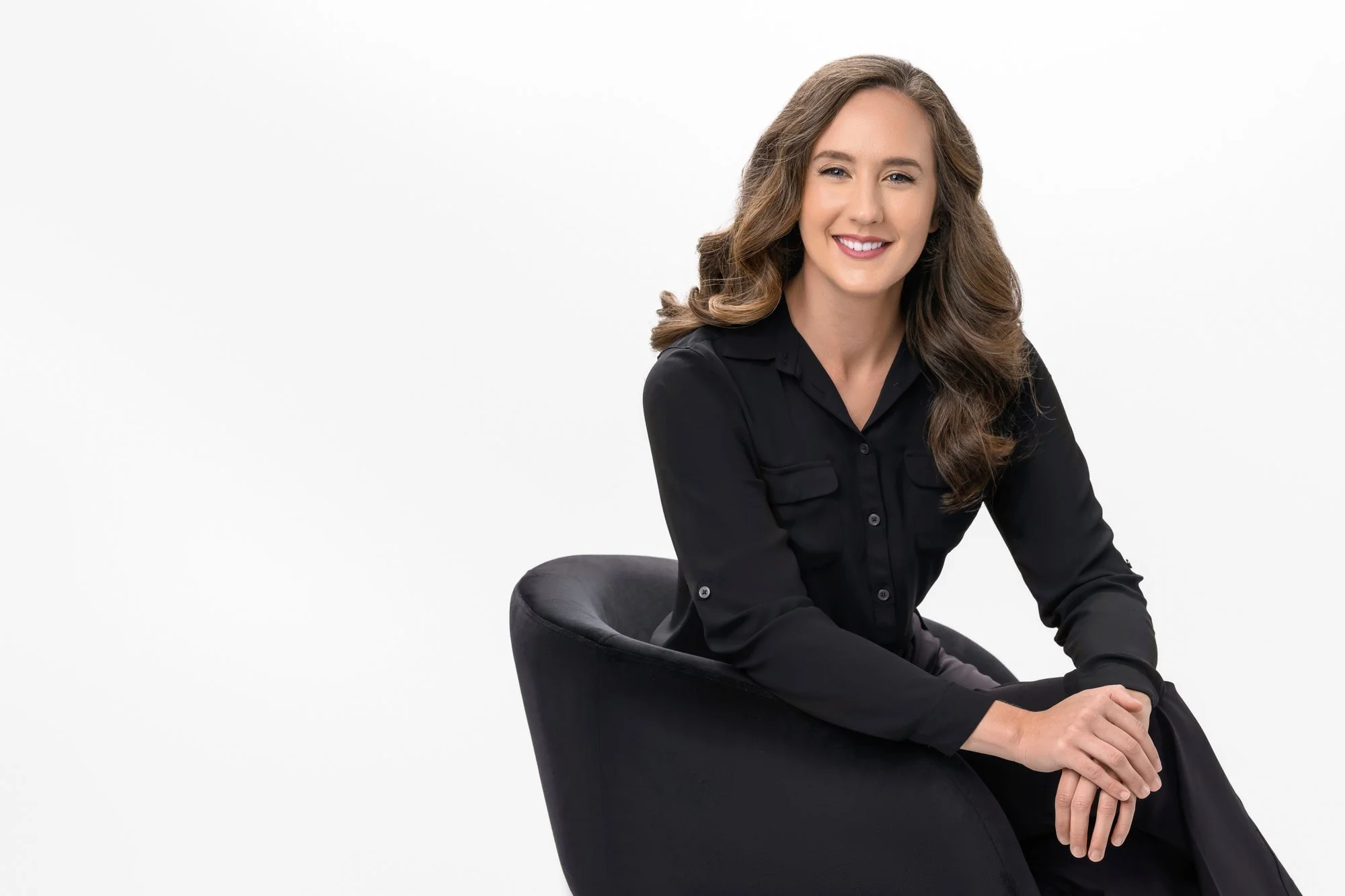
More intentional lighting - a professional studio setup or clean environmental setting that reflects your field
A background that tells a subtle story (a modern office, a city skyline, architectural detail)
Industry-appropriate attire that leans slightly aspirational - dress for the role you want, not just the role you have
A confident, engaged expression - not stiff, but purposeful
Horizontal or three-quarter crop to give more visual weight and presence
Career changers take note: your headshot should reflect where you're going, not where you've been. If you're transitioning from engineering to product management, your photo should feel closer to the tech leadership space than the coding floor.
The goal: Project ambition and credibility. You're not just here - you're going somewhere.
Stage 3: The Authority (Senior Leaders, Executives & Entrepreneurs)
At this level, you've earned your seat at the table. The challenge now is authority, ensuring that your personal brand communicates gravitas, vision, and trustworthiness. People are deciding whether to hire you, fund you, feature you, or follow you.
Your headshot needs to do serious work here. It should radiate confidence without arrogance, warmth without informality, and strength without being unapproachable.
What works at this stage:
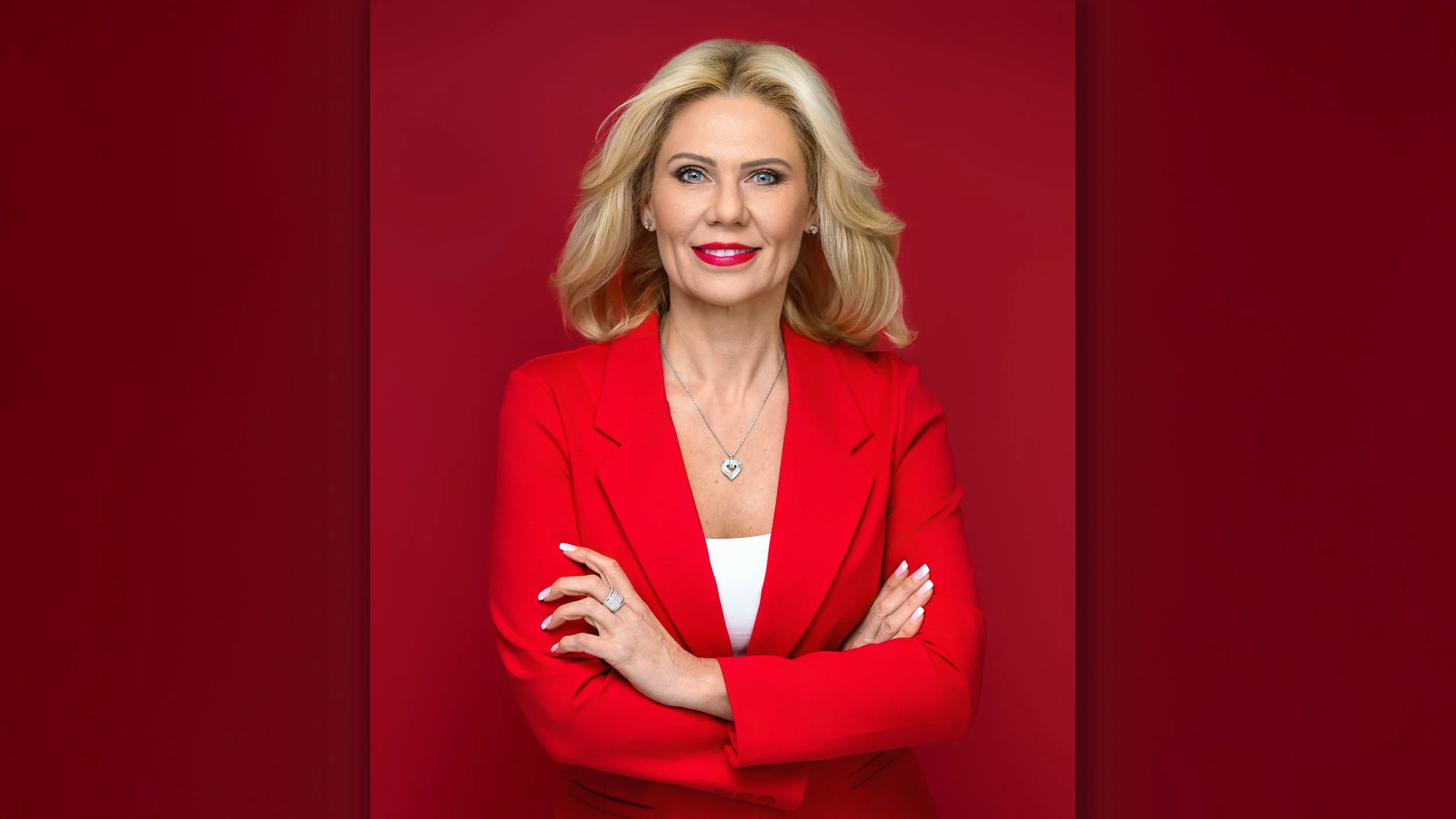
High-quality studio lighting or dramatic environmental portraits - quality and intentionality matter more than ever
Neutral or deeply considered backgrounds - dark, rich tones for gravitas; bright, airy settings for innovation-forward executives
Premium, tailored clothing - this is not the time for fast fashion or off-the-rack looks
A composed, direct gaze - eye contact communicates confidence and trustworthiness
Subtle use of depth of field - keep the focus squarely on your face
Entrepreneurs and founders: you have more creative latitude. Your brand is your personality. A more candid, editorial-style photo might serve you better than a traditional corporate headshot, but only if it's executed with exceptional quality.
The goal: Command presence. Before you say a single word, your photo should communicate: I know what I'm doing, and you can trust me.
Stage 4: The Thought Leader (Speakers, Authors, Consultants & Public Figures)
You've moved beyond the org chart. Your name is your brand. You're building an audience, speaking on stages, writing books, leading movements, or consulting at the highest levels.
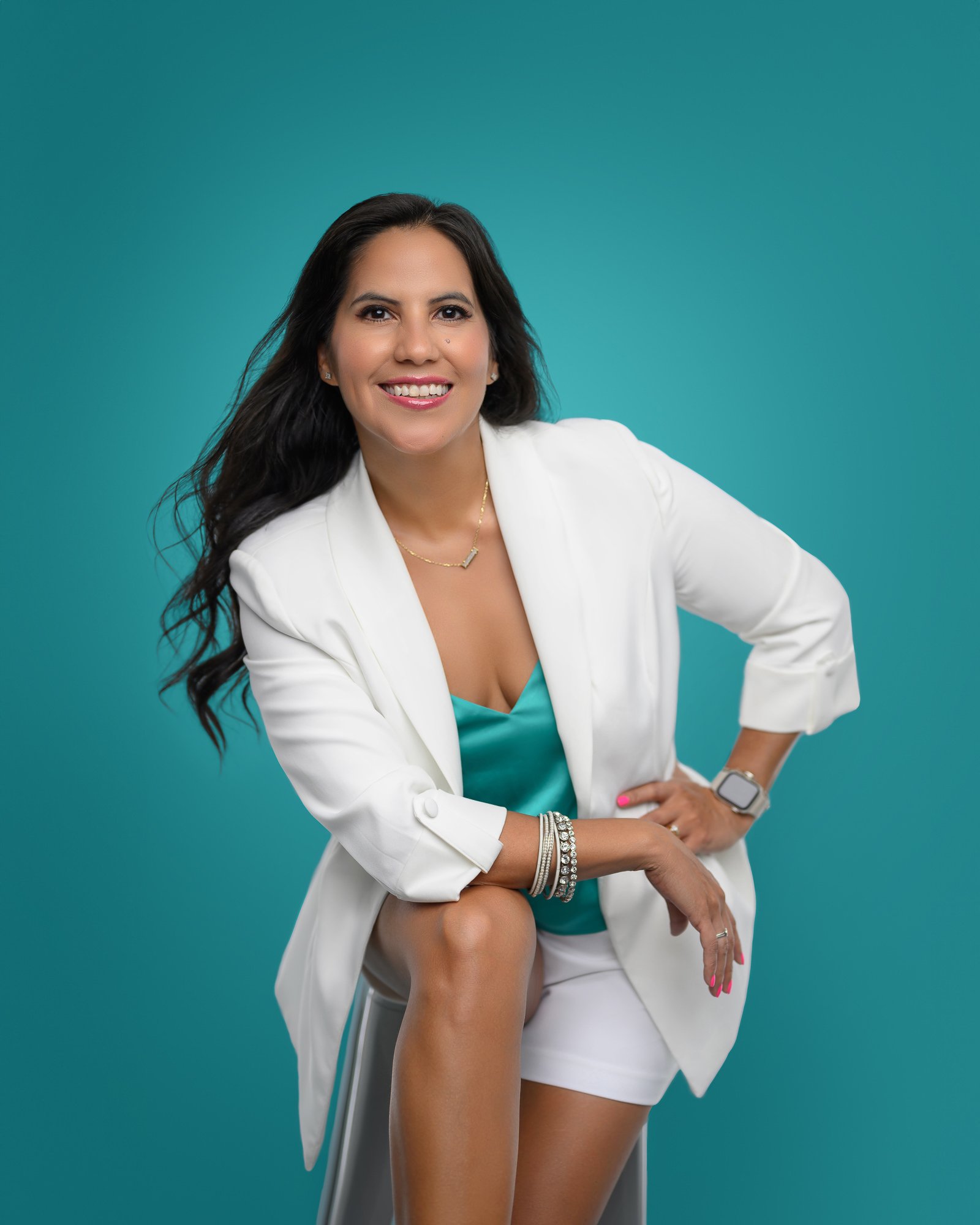
Your headshot is now part of a personal brand ecosystem. It needs to be visually distinctive, emotionally resonant, and instantly recognizable - even as a small thumbnail in a podcast feed or a speaker page.
What works at this stage:
Editorial and environmental portraits that reflect your niche and personality
Bold, on-brand color choices - your photo should feel like it's part of a larger visual identity
Expressive, authentic poses - you're not trying to blend in; you're trying to stand out
A professional photographer who specializes in personal branding and editorial work
Multiple hero images for different use cases - speaking bio, book jacket, podcast artwork, press kit
The goal: Iconic recognition. People should see your photo and immediately think of the category you own.
Stage 5: Entrepreneurs & Personal Brands. Visibility & Personality.
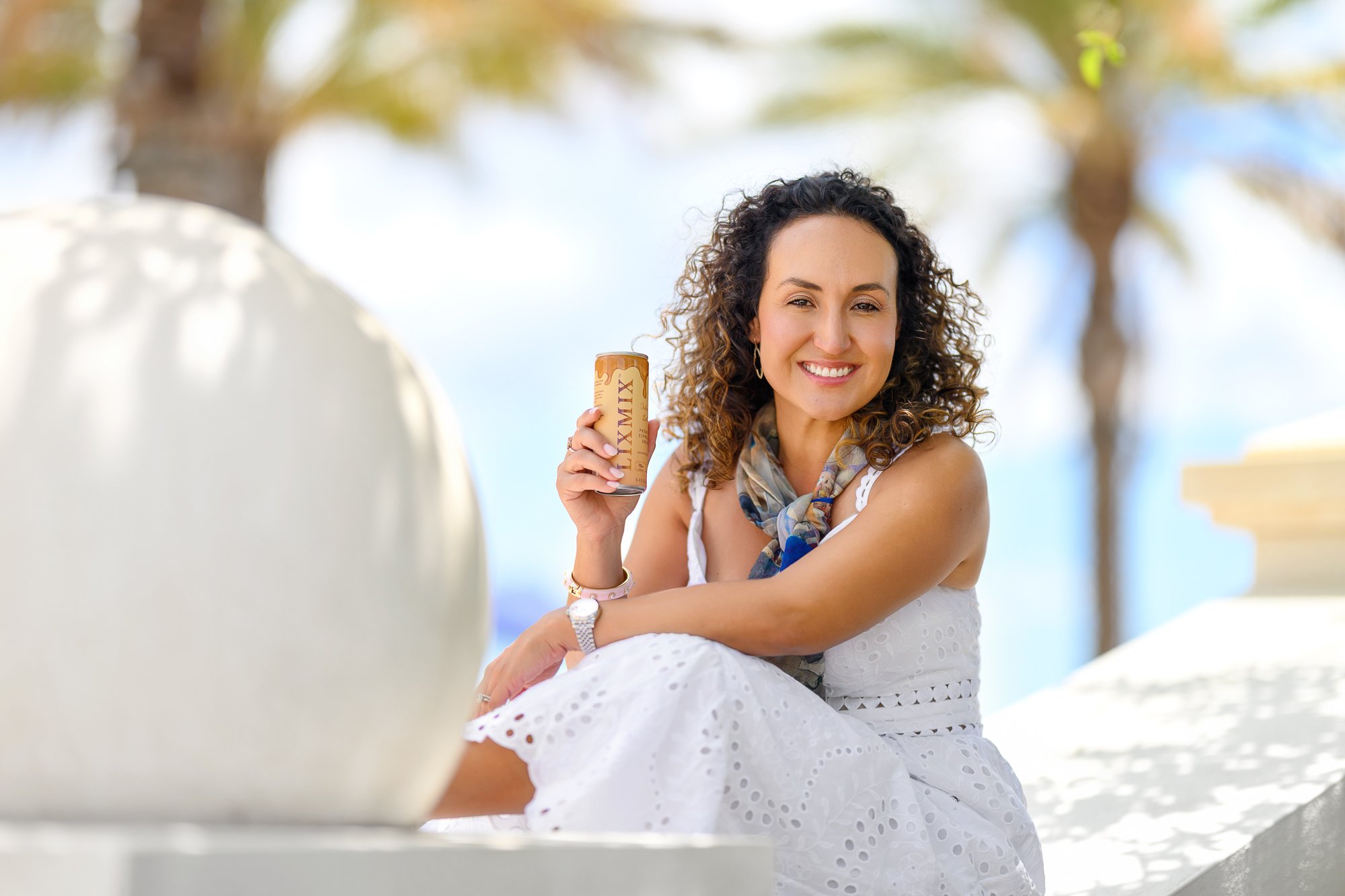
If you are a business owner, coach, creative, or consultant, your headshot should reflect your brand personality.
A traditional corporate background may not serve you.
What works at this stage:
On-location branding photos
Lifestyle headshots
Color that matches your brand
Multiple expressions for content
Images that feel editorial
For entrepreneurs in Sarasota, I often recommend a combination:
• A clean professional headshot for LinkedIn
• A personality-driven portrait for your website
• Lifestyle images for marketing
Your audience is not hiring a company.
They are hiring you.
5 Universal Rules for Every Career Stage
Regardless of where you are in your career, these principles apply to every great professional headshot:
Hire a professional. Smartphone cameras have gotten remarkably good, but they can't replicate the quality of professional lighting, lenswork, and post-processing. This is an investment in your career, treat it like one.
Update every 2-3 years. If your photo is more than three years old, or if you've significantly changed your appearance, it's time for a new one. Nothing erodes trust faster than showing up and looking nothing like your photo.
Be consistent across platforms. Your LinkedIn, company bio, Twitter/X, and speaker profile should all use the same (or complementary) headshots. Inconsistency signals disorganization.
Dress for your audience, not your comfort zone. Think about who will be looking at your photo and what they need to believe about you. Dress to confirm their best instincts.
Choose expression over perfection. The most memorable headshots don't look like police mugshots. They capture warmth, confidence, or curiosity. A genuine expression will outperform a technically perfect but emotionally flat photo every time.
You Don't Get a Second Chance to Make a First Impression, But You Can Always Make a Better One
Sarah eventually updated her headshot. She hired a photographer who specialized in personal branding, showed up in a blazer that felt like her, and walked away with images that finally matched her ambition. Three months later, she landed the role she'd been chasing.
Your photo is a silent ambassador. It works for you while you sleep, introduces you before you walk into a room, and follows you across every platform that carries your name.
The question isn't whether a better headshot could change your career trajectory. The question is: how much longer can you afford to let a photo that doesn't represent you speak on your behalf?
It's time to update the story your face is telling.
Quick Reference: Headshot Style by Career Stage
Launcher (Entry-Level): Bright, approachable, business casual | Goal: Credibility + warmth
Climber (Mid-Level): Confident, aspirational, industry-appropriate | Goal: Ambition + competence
Authority (Executive): Polished, composed, premium quality | Goal: Gravitas + trust
Thought Leader (Speaker/Founder): Editorial, distinctive, on-brand | Goal: Recognition + magnetism
Frequently Asked Questions About Professional Headshots
How much does a professional headshot cost?
Professional headshot sessions typically range from $200 to $600+ depending on your location, the photographer's experience, and the number of final images included. Executive and personal branding sessions with experienced photographers can run $800-$2,000 or more. Think of it as an investment in your professional brand, not an expense.
What should I wear for a professional headshot?
Wear something that reflects the industry and role you're targeting, fits you well, and makes you feel confident. Solid colors generally photograph better than busy patterns. Avoid logos. When in doubt, dress one level above your day-to-day professional attire.
What's the best background for a LinkedIn headshot?
For LinkedIn specifically, simple and uncluttered backgrounds work best: soft grays, blurred office environments, or light-toned walls. The focus should be on your face, not your surroundings. At senior levels, a more intentional environmental backdrop can add depth and dimension.
How often should I update my professional headshot?
Most career coaches recommend updating your headshot every 2-3 years, or whenever there's a significant change in your appearance, your role, or your professional brand. If people regularly comment that you look different in person than in your photo, it's definitely time. Read more on the blog post.
Can I use an AI-generated headshot for LinkedIn?
While AI headshot tools have improved dramatically, most hiring professionals and recruiters can detect them, and some view them negatively. For most career stages, a genuine professional photo will outperform an AI-generated one in terms of trust and authenticity. AI tools can be a reasonable stopgap, but shouldn't replace a proper professional session for serious career advancement.
Ready to invest in a headshot that moves your career forward? Share this guide with a colleague who might need it, and bookmark it for your next session.
If you’re in Sarasota or Lakewood Ranch and wondering whether your headshot still represents you, I would love to help you evaluate it.
Whether you need:
A polished LinkedIn headshot
A corporate team update
Executive portraits
Or full personal branding photography
Your image should grow with you.
And when it does, doors open a little easier.