
The Perfect Age for a Childhood Milestone Session
From 6 Months to Teens.
A timeline parents save and share.
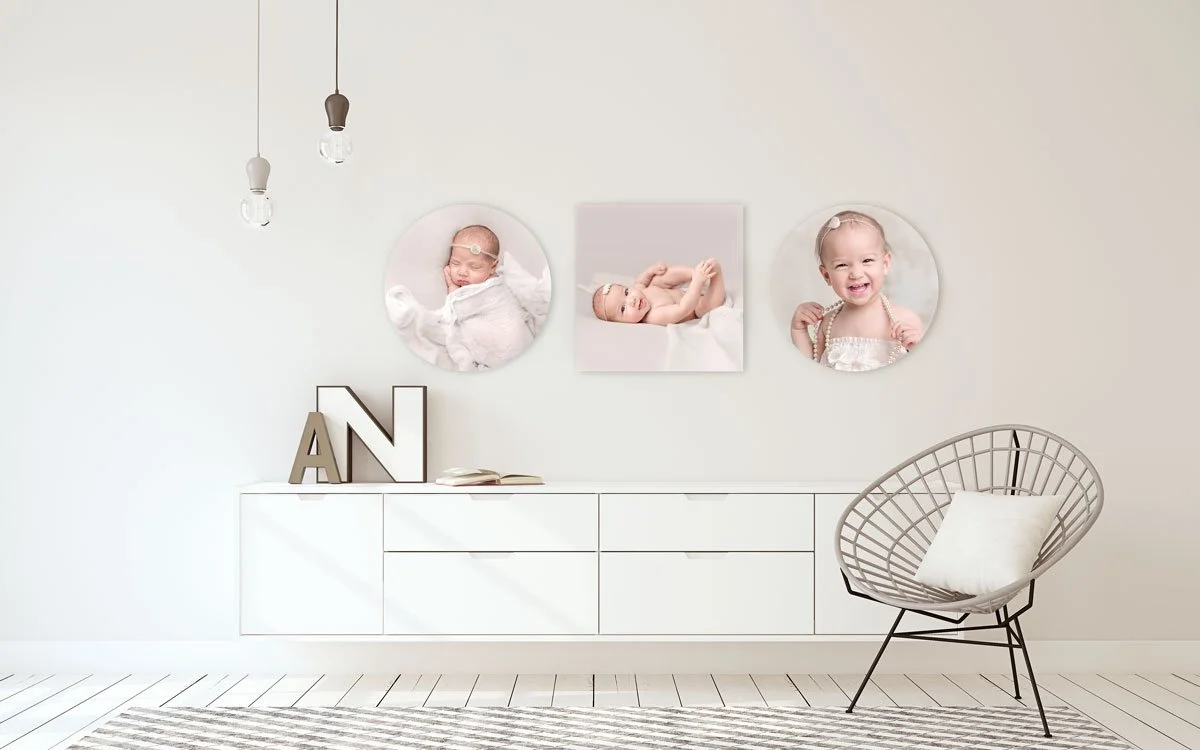
Parents want to remember it all. Time moves faster than we expect.
One day they are learning to sit. The next they are heading off to middle school. Childhood milestone sessions exist for one simple reason. To pause time. To preserve who your child is in this exact season.
The confusion most parents face is not if they should do milestone portraits. It is when. This guide walks you through the ideal ages, what makes each stage special, and how to choose sessions that feel meaningful rather than forced.
Most family photos happen reactively. Holidays. School photos. A quick phone snapshot. Years later, parents realize entire stages are missing.
Milestone sessions solve this by creating intentional markers. Each age tells a different story. When done thoughtfully, these portraits become a visual timeline of childhood.
The milestone timeline parents love
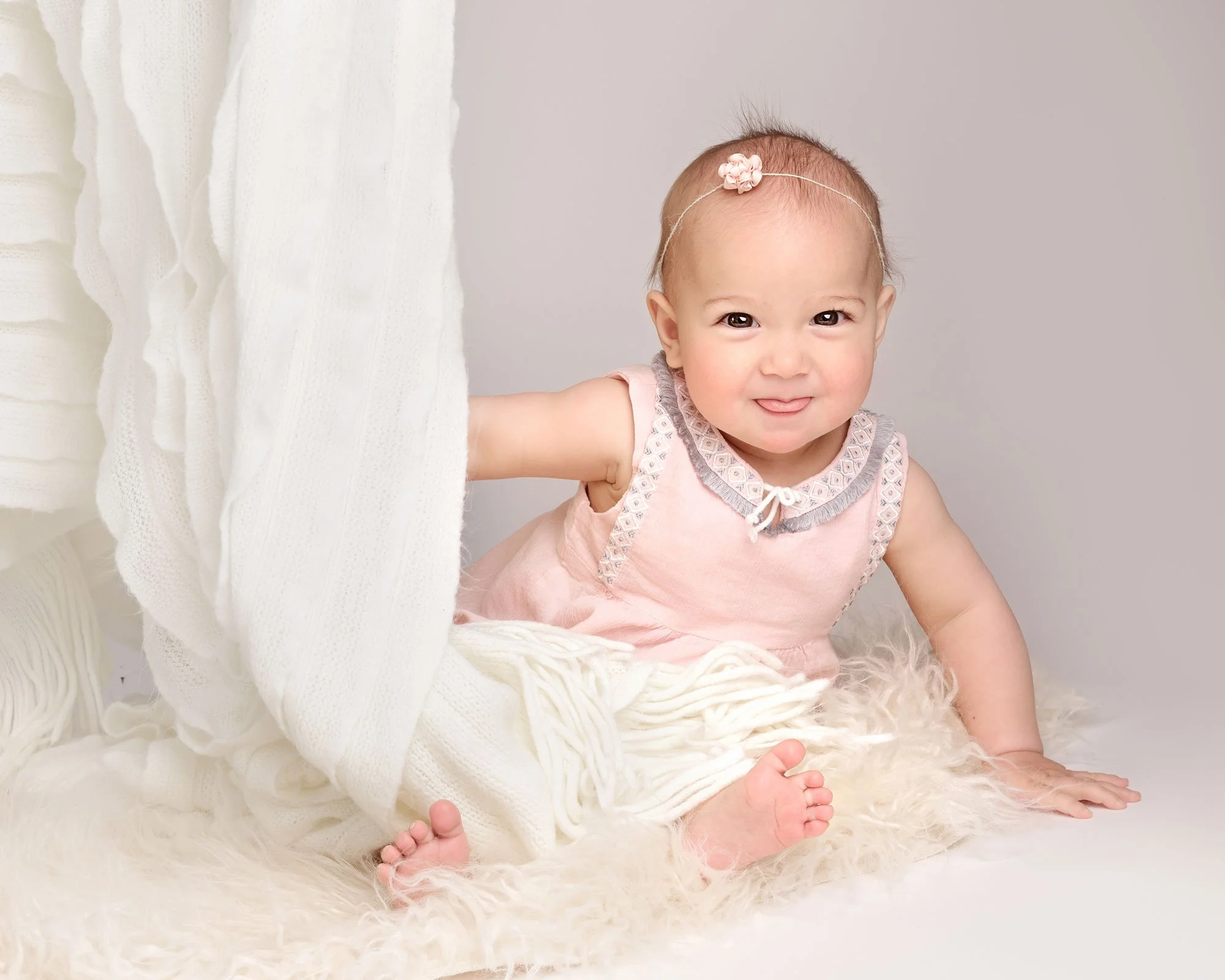
6–7 months. Sitting stage
This is often the first true personality milestone.
Why it matters
Your baby can sit independently, engage with the camera, and show expressions. No crawling yet. Which means calm, focused portraits.
What you capture
Bright eyes. Squishy cheeks. Natural curiosity. This stage disappears quickly.
Best for
Clean, timeless portraits that highlight your baby without distractions.

9–10 months. Movement begins
This is the playful stage.
Why it matters
Babies start crawling, pulling up, and interacting more with their environment.
What you capture
Giggles. Motion. Early confidence. This is a great option if you missed the sitting stage.
Best for
Lifestyle inspired setups or minimal studio scenes with room to move.
12 months. The first birthday
This is the milestone most parents never skip.
Why it matters
One full year. A major emotional marker for parents.
What you capture
Standing attempts. Big smiles. Curiosity. Optional cake moments without the chaos.
Best for
A classic portrait plus a celebratory element. Think elegant rather than messy if you want timeless results.

18–24 months. Early toddler personality
This stage is wildly underestimated.
Why it matters
Your child has opinions. Expressions. Movement with intention.
What you capture
Authentic personality. Sweet seriousness mixed with joy.
Best for
Short, playful sessions that follow your child’s lead.
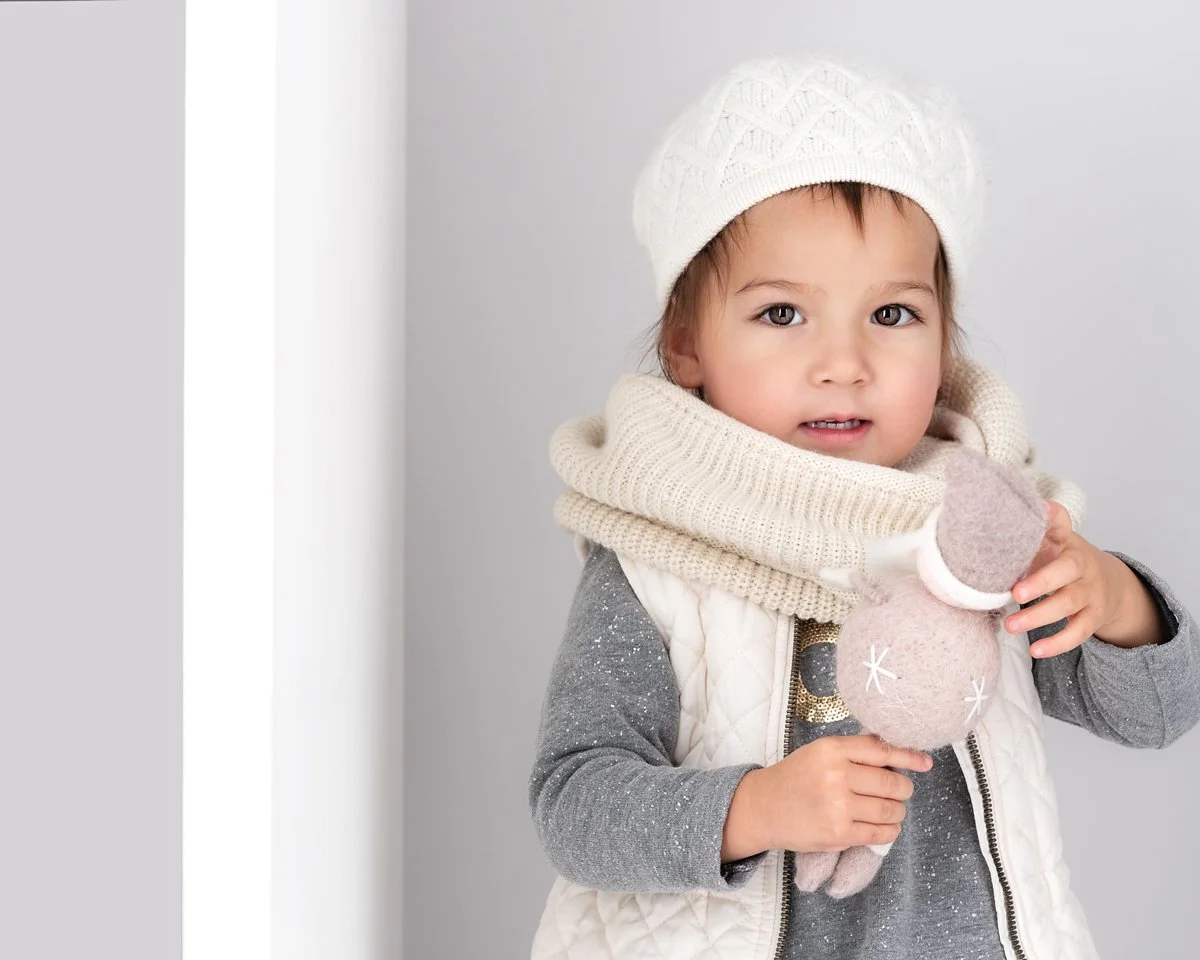
Age 3. The “I am me” phase
This is a magical age.
Why it matters
Imagination blooms. Expressions are animated. Children are still openly themselves.
What you capture
Confidence. Laughter. Real emotion.
Best for
Story driven portraits that feel alive and expressive.
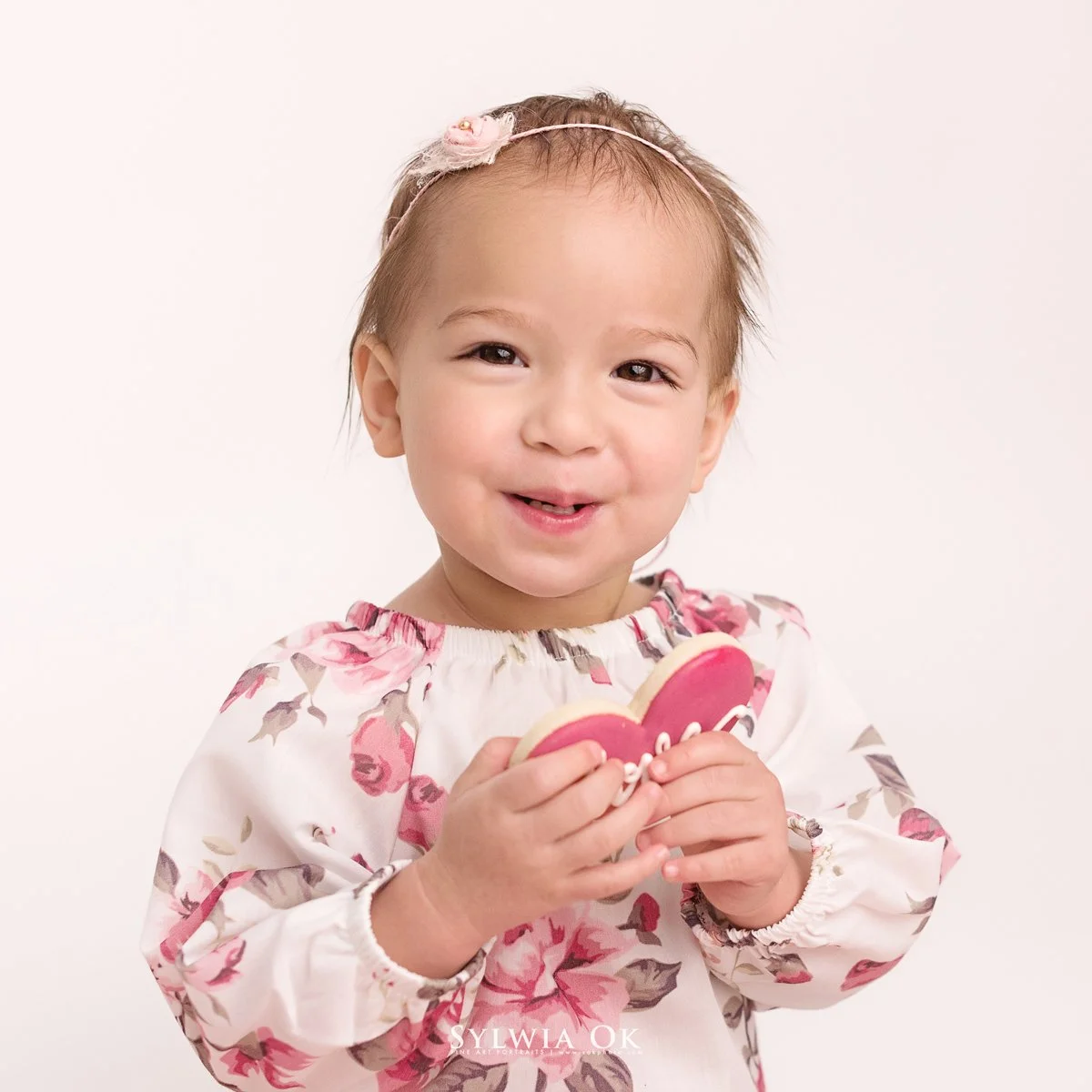
Age 5. Big kid energy
This age often marks school, independence, and growth.
Why it matters
Your child still feels little but looks grown. This contrast disappears quickly.
What you capture
Pride. Personality. A sense of who they are becoming.
Best for
Portraits that balance playful and polished.
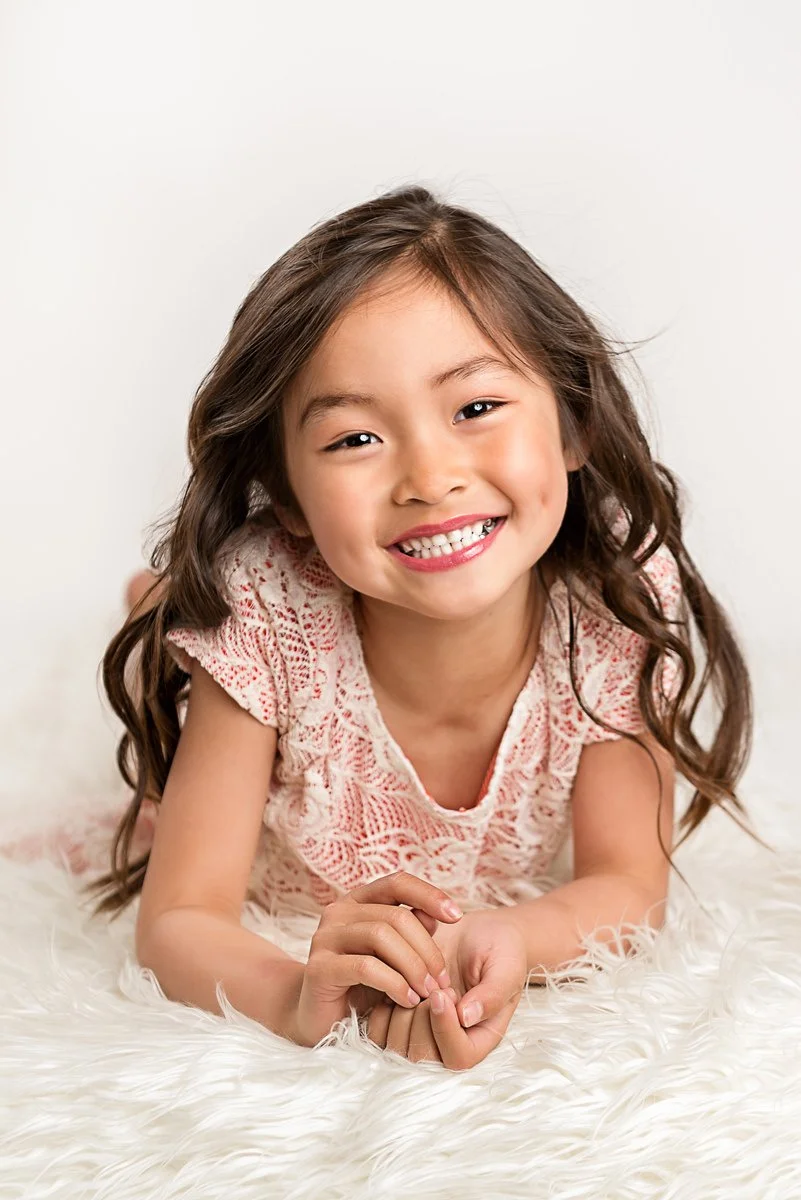
Ages 7–9. The in between years
Parents often skip this stage. They should not.
Why it matters
These are the last fully childlike years before preteen changes begin.
What you capture
Natural confidence. Genuine smiles. Ease in front of the camera.
Best for
Timeless portraits that focus on connection and expression.
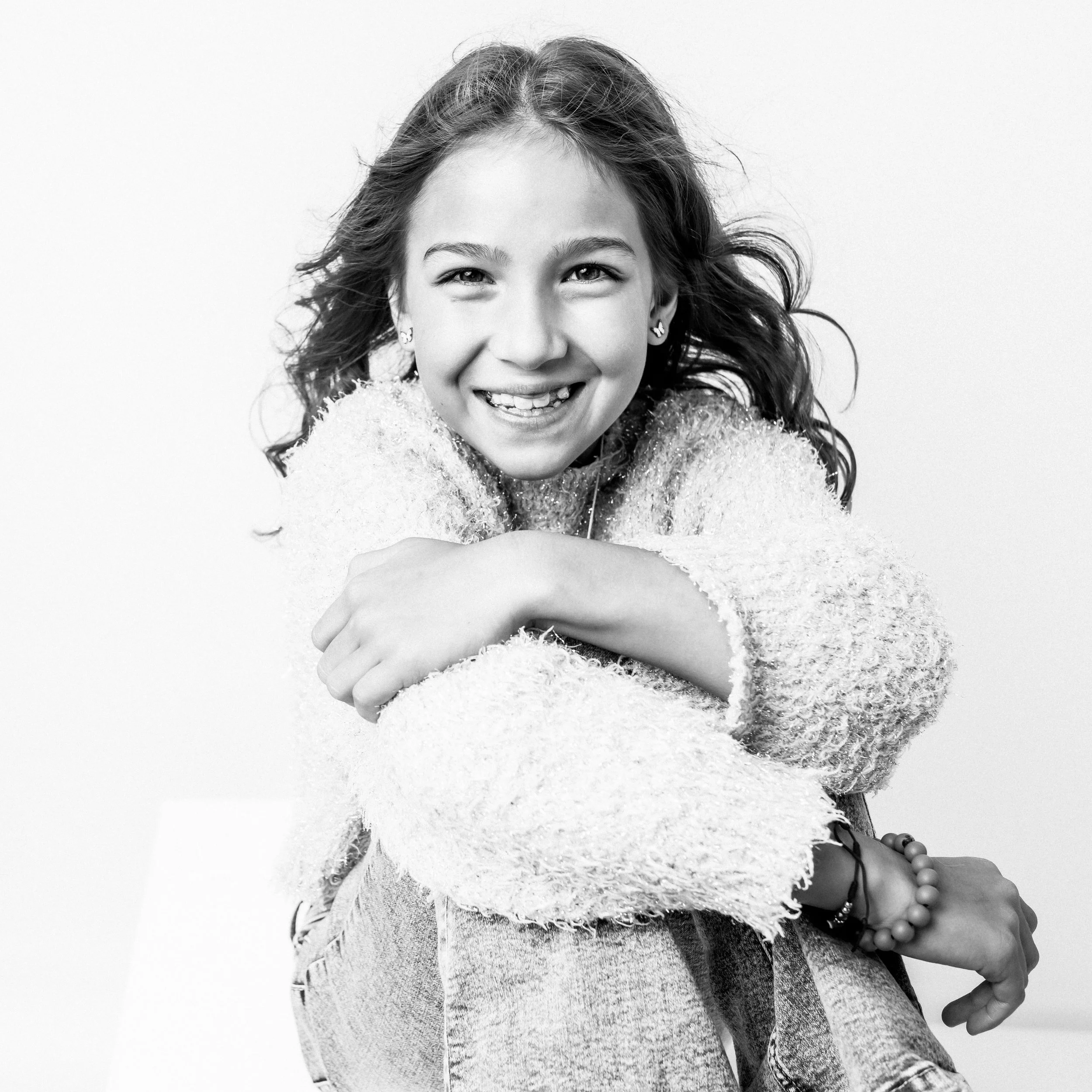
Ages 10–12. Preteen transition
This stage is emotional for both parents and kids.
Why it matters
Children begin to change physically and emotionally. This is the last chapter before teenage years.
What you capture
Emerging maturity. Quiet confidence. A softer version of adulthood.
Best for
Simple, elegant portraits that honor who they are becoming.
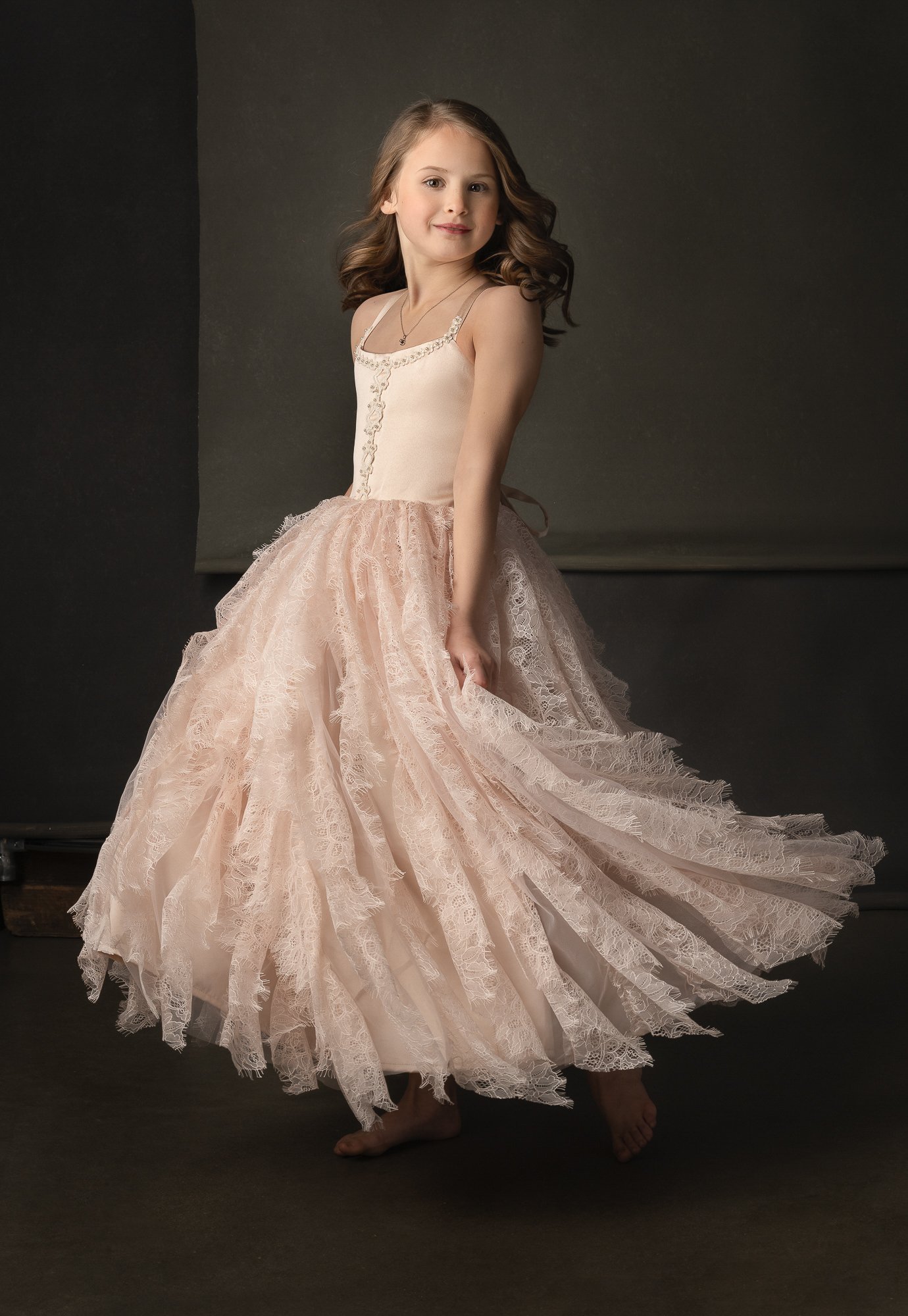
Teen years. Ages 13–18
Teen portraits are not just for seniors.
Why it matters
Teens change rapidly. Style. Confidence. Identity.
What you capture
Strength. Individuality. Presence.
Best for
Sessions that feel collaborative. Teens want to feel seen, not posed.

How to choose the right milestone for your child
Ask yourself three questions.
What stage do I never want to forget?
What feels like it is changing right now?
What do I want to remember ten years from today?
If you answer honestly, the right timing becomes clear.
The role of a guided photographer
Parents do not need to know the perfect age. That is the photographer’s job.
A professional milestone experience includes:
Guidance on timing and pacing
Styling support that fits the child’s age
A calm environment that allows personality to shine
Artwork designed to live in your home, not just your phone
This is not about filling a calendar. It is about creating a legacy.
Your child’s story deserves intention
Milestone portraits are not about perfection. They are about presence.
When you look back years from now, you will not ask if you booked too many sessions. You will ask why you did not do more.
If you are ready to plan a milestone session that fits your child and your family, now is the perfect time to start.
